
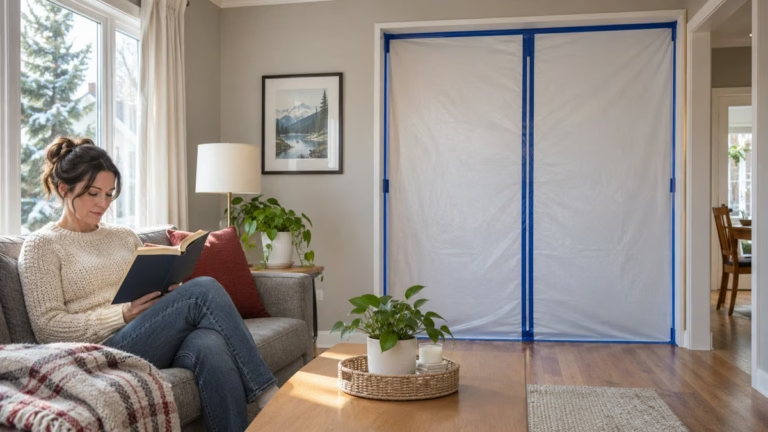
Yes, you may be able to live in your house during a renovation when a usable living area remains safely separated from construction, essential facilities stay available, and you have safe access and exits. Some work makes temporary relocation necessary. The decision depends on what happens during each phase, not simply how many rooms are being renovated.
A hybrid approach can work well: stay during suitable stages, leave for disruptive or unsafe work, and return once agreed conditions are met. When discussing home renovation services, ask your contractor to assess occupancy alongside the scope and construction schedule.
The practical question is whether your household can sleep, wash, eat and move around safely while the planned work proceeds. Make that decision before demolition, with a backup if conditions change.
When Staying Home Is Practical
Staying is more workable when construction can be isolated without cutting off everyday necessities. Before committing, confirm that you will have:
- A protected sleeping area outside the work zone.
- A usable toilet, washing facilities, drinking water and a practical food arrangement.
- Appropriate heating, electricity and ventilation for the occupied rooms.
- Safe routes to living areas and exits without crossing active construction.
- An agreed plan for noise, deliveries, service interruptions and changing site conditions.
Then consider who lives there. Children and pets need secure separation from tools and materials. Mobility needs may rule out using an upstairs bathroom. Respiratory sensitivities, daytime sleep or working from home may make an otherwise workable arrangement unsuitable. A room can remain physically usable while becoming impractical for your household’s routine.
Single-Room Renovations
A single-room project is not automatically easy to live through. Renovating an ensuite while another bathroom stays available is very different from replacing the home’s only bathroom. These are hypothetical situations, but they show why the function of the room matters more than its size.
Look beyond the room boundary. Plumbing connections may require shutting off water elsewhere. Flooring can extend through a shared hallway, and electrical work may affect adjacent rooms. A small kitchen renovation can interrupt food storage, cooking and washing-up at the same time.
Ask your contractor to map the affected services and access routes. If getting to your remaining bathroom requires walking through demolition, that bathroom does not provide a workable occupancy solution.
Phased Whole-House Remodels
A contractor may be able to sequence a phased renovation around usable areas, completing one zone before moving into another. This requires more than leaving a bedroom untouched: services, access and separation must remain workable as the construction boundary changes.
There are trade-offs. Crews may repeat setup and protection work, belongings may move several times, and cleaning or trade access may need additional coordination. Ask how an occupied home would change the proposed sequence and price.
Not every whole-house remodel can be phased safely. For context, review what to expect during a full-home renovation, then identify which stages could realistically accommodate residents. Keeping a room available does not establish that the surrounding building is suitable for occupancy.
When Moving Out Is Safer
Moving out becomes the safer choice when the project team cannot maintain suitable living conditions or prevent household access to hazards. Sometimes relocation is a comfort decision; sometimes assessed hazards, the construction method or an authority’s conditions prevent occupancy. Ask which applies, who will assess the situation and what must change before you return.
Lead, Asbestos, and Construction Dust
Suspected asbestos-containing materials or lead-based coatings need assessment before disturbance. Their appearance cannot establish whether they are hazardous. Avoid exploratory scraping, sanding or other disturbance while waiting for advice.
Health Canada’s renovation safety guidance explains precautions for asbestos, lead paint, dust and chemical products. Arrange appropriate professional assessment and any specialist work before deciding that residents can remain nearby.
In British Columbia, WorkSafeBC’s workplace guidance requires a qualified person to conduct a hazardous-materials survey before renovation or demolition at a worksite. Owners, employers and prime contractors have responsibilities within that workplace framework. This is distinct from general homeowner advice, and a homeowner’s decision to stay does not replace the project’s safety obligations.
Ordinary renovation dust can disrupt occupied rooms, while dust from particular materials or tasks may present specific exposure hazards. Visible cleanliness cannot tell you which situation you have. Plastic sheeting or an air purifier alone does not establish that hazardous work is safe.
Containment, access restrictions, cleaning and any re-entry requirements must reflect the assessed work. If suspected hazardous material is unexpectedly exposed, keep residents away and have the contractor arrange assessment before disturbing it further.
Structural Work and Utility Shutdowns
Structural alterations, openings in floors or walls, roof removal and unsafe electrical or mechanical conditions can make occupancy unsuitable. A closed bedroom door does not address a compromised staircase, an exposed opening or work affecting the building’s stability.
A short, planned water interruption differs from an extended period without a usable toilet, running water or suitable heating. Do not rely on an assumed universal number of hours without services. Agree on the actual interruption, the household’s needs and the point at which you will leave.
For a North Shore property, confirm requirements with the municipality responsible for that address: the City of North Vancouver, District of North Vancouver or District of West Vancouver. Each provides its own permit and inspection information. Ask whether the specific project has occupancy restrictions or inspection conditions; City of Vancouver rules should not be assumed to apply.
Staying vs. Moving Out Costs
Staying does not always save money. Compare the additional cost of each option against your normal household spending, using the same construction scope and realistic occupancy periods.
| Cost area | Staying home | Moving out temporarily |
|---|---|---|
| Daily living | Temporary facilities, extra meals out and cleaning | Accommodation, meals and overlapping household bills |
| Belongings and travel | Storage, furniture moves and alternative workspace | Moving, storage, commuting and pet fees |
| Construction arrangements | Additional separation, repeated setup or altered sequencing | Any agreed change to the construction price or sequence |
| Contingency | Unplanned nights away if living conditions change | Booking extensions and cancellation charges |
Ask the contractor to explain any price difference between an occupied and unoccupied project. Do not assume that moving out guarantees faster work or that faster work automatically reduces the contract price.
Keep refundable accommodation deposits separate from expenses: they affect cash availability but are not necessarily a final cost. Count only the extra portion of spending you would incur anyway, such as meals or transport.
Notify your insurer before work begins and explain whether you will remain at home. Confirm renovation requirements, any vacancy or unoccupancy conditions, and whether coverage needs changing. Budget for planned accommodation unless your insurer confirms otherwise; additional living expenses coverage is not an automatic renovation allowance.
Preparing for a Live-In Renovation
Build a written occupancy plan before construction begins. Arani’s home renovation process guide places preparation before demolition; use that stage to resolve how daily life will work.
Agree on occupied rooms, household and crew entrances, permitted working hours, deliveries, storage and cleaning responsibilities. Identify the project contact and how much notice you should receive about service shutdowns or changes to access.
Set clear triggers for temporary relocation: loss of the agreed bathroom, failure of separation, unsafe access or newly identified hazardous materials. Specify who communicates the change and who confirms that return conditions have been met. Review the plan when the scope or work boundary changes.
Temporary Kitchens and Bathroom Access

A temporary kitchen needs more than a microwave. Plan food refrigeration, drinking water, handwashing, washing-up and waste disposal. Keep food and utensils in the protected living area, away from construction dust.
Place appliances on stable, suitable surfaces with the clearances their manufacturers require. Have the contractor confirm that the electrical arrangement is suitable; avoid overloaded circuits and cables crossing walkways. Keep electrical appliances away from water, and never bring outdoor fuel-burning cooking equipment indoors.
When planning a kitchen renovation in North Vancouver, ask which facilities will be unavailable together. A fridge relocation does not solve the absence of somewhere suitable to wash hands and dishes.
If the only bathroom is being removed, agree on a genuinely usable alternative before demolition. Occasional access to a neighbour’s toilet or a gym shower may not meet overnight, accessibility or family needs. If suitable facilities cannot be maintained, arrange accommodation rather than relying on improvised plumbing.
Separating Living Areas From Construction

Have the project team establish separation appropriate to the work, with controlled access and protected routes through the occupied area. Residents and pets should remain outside active construction zones, including when crews have left for the day.
Discuss how dust could travel through doorways, shared hallways and the heating, ventilation and air-conditioning system. The contractor should coordinate any necessary system protection or changes with the relevant trade while maintaining suitable conditions in occupied rooms. Do not independently block vents or change equipment serving the work area.
Keep exits clear of deliveries, stored belongings and temporary equipment. Agree who checks barriers and access routes as work progresses. Daily tidying helps manage a site, but it does not establish that a hazardous area is safe for household use.
Planning Temporary Housing Around Construction

Match temporary accommodation to disruptive phases and return conditions. For example, a household might leave during assessed demolition and return for suitable finishing work once services, access and safety requirements are satisfied. This is a hypothetical plan, not a promise that finishing work is always suitable for occupancy.
Before booking, check minimum stays, cancellation terms, extension availability, pet rules and accessibility. Compare school and work travel as well as the nightly or monthly price. Confirm that the accommodation has the cooking and laundry facilities your household needs.
Keep funds for a contingency extension and understand how quickly you must request one. A forecast completion date is a planning milestone, not a guaranteed return date. Ask for updates tied to completed work and required checks, and avoid committing to a non-refundable departure from temporary housing before your return is confirmed.
Conclusion
You can live through some renovations when separation, essential services and safe access remain dependable. Move out when those conditions cannot be maintained, and consider combining both approaches as work progresses.
The decision should follow the assessed work and your household’s needs. Discuss scope, sequencing and occupancy with Arani Construction to build a practical plan before construction begins.
Frequently Asked Questions
1. Can staying home delay a renovation?
It can, depending on the project. Maintaining usable rooms and services may limit access, require repeated setup or change trade sequencing. A well-planned isolated renovation may accommodate residents with little effect. Ask your contractor to explain the schedule implications for your scope rather than applying a standard delay allowance.
2. Does homeowners insurance cover temporary accommodation?
Not automatically for a planned renovation. TD Insurance describes additional living expenses as potentially available when a covered event makes staying home impossible. Choosing to leave for planned construction is a different situation. Ask your insurer about your policy’s covered events, limits, exclusions, notification requirements and occupancy conditions before booking.
3. When is it safe to move back in after a renovation?
Return when the relevant safety checks are complete, essential services are restored, access and exits are safe, and any required professional or authority clearance has been obtained. Confirm conditions with the project team, including restrictions around unfinished areas. Reduced dust, fading odour or a tidy room alone does not establish that re-entry is safe.